
What you are paying for
in a window.
Two windows can look the same on the truck and be ten years apart in how long they last. The difference is in five places you can see and touch on a sample. Here is what each one is, why it matters in Tennessee weather, and how to check it yourself.
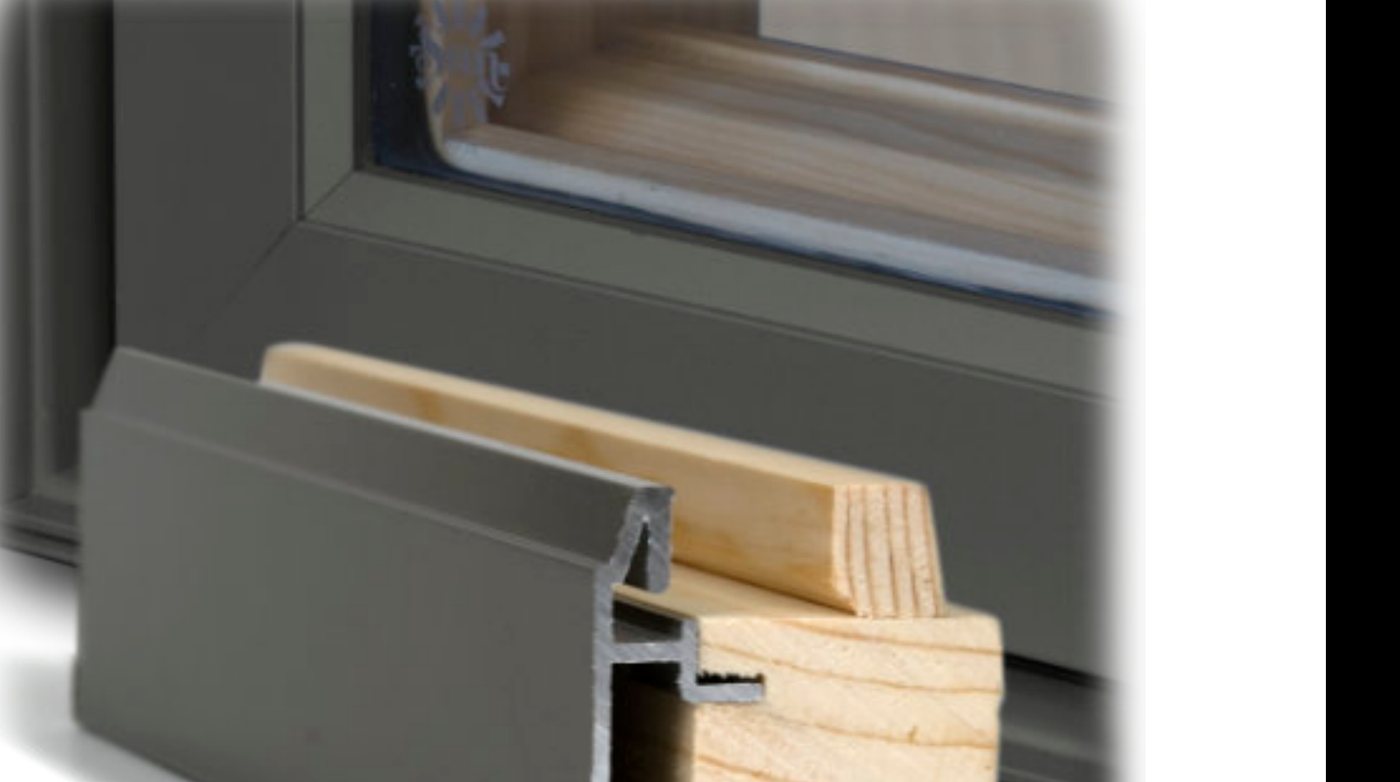
What is between the weather and the wood.
On a clad window, the outside of the frame and sash is metal or vinyl over a wood core. There are three ways to do it, and they are not close to equal.
Extruded aluminum is a solid profile, .045 to .060 inch thick, that adds strength to the sash and frame and does not warp. Roll-form aluminum is .024-inch sheet bent around the wood. It dents, its corners are folded seams, and it adds almost no strength. Painted wood has no cladding at all. The paint is the weather barrier, and it has to be redone on a schedule for the rest of the house's life.
Why it matters here: Middle Tennessee gets 50 inches of rain a year, wet winters, and August sun. The cladding is the part doing the work.
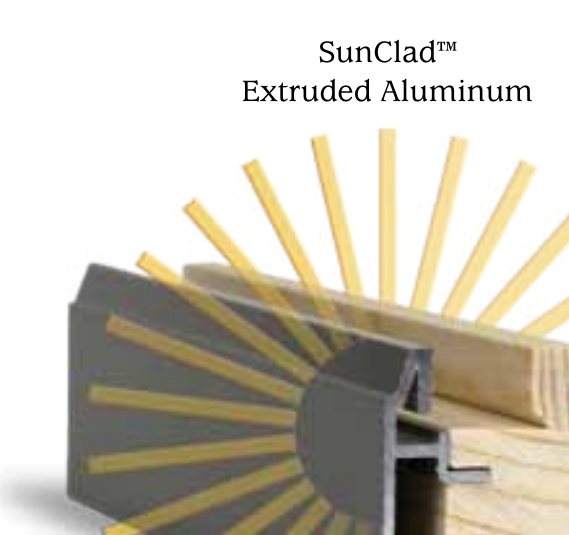

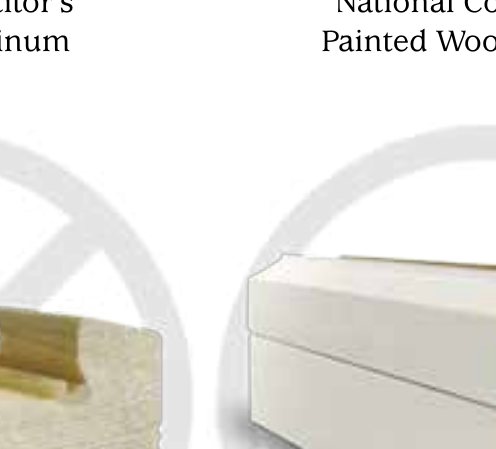
Press your thumbnail into the outside corner of the sash. Extrusion does not give. Then look at the corner: a solid mitered profile, or a folded seam?
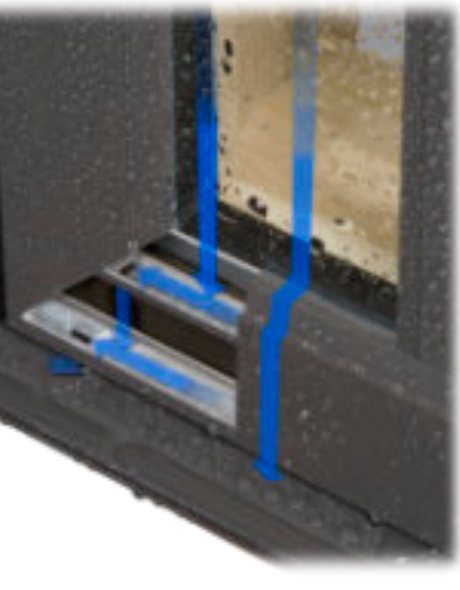
Every glazing seal fails eventually. What happens next is the design.
The bead of sealant between the glass and the sash is the first thing the weather works on. On any brand, given enough summers, it opens up a little and water gets into the channel behind the glass. That is not the failure. The failure is what the sash does with that water.
A sash with no drainage path holds the water against the wood and the edge of the insulated glass unit. The wood softens, and the glass seal, which was never designed to sit in water, lets go. That is the fogged window you see on a ten-year-old house. A sash built with a weep path lets the water drain to the outside and lets the cavity dry.
This is the least visible feature on the list and the one that decides whether a window is a twenty-year window or an eight-year window.
Turn the sash over. Look at the bottom rail for weep slots or a drainage channel behind the exterior glass stop. If there is no path out, there is no plan for water.
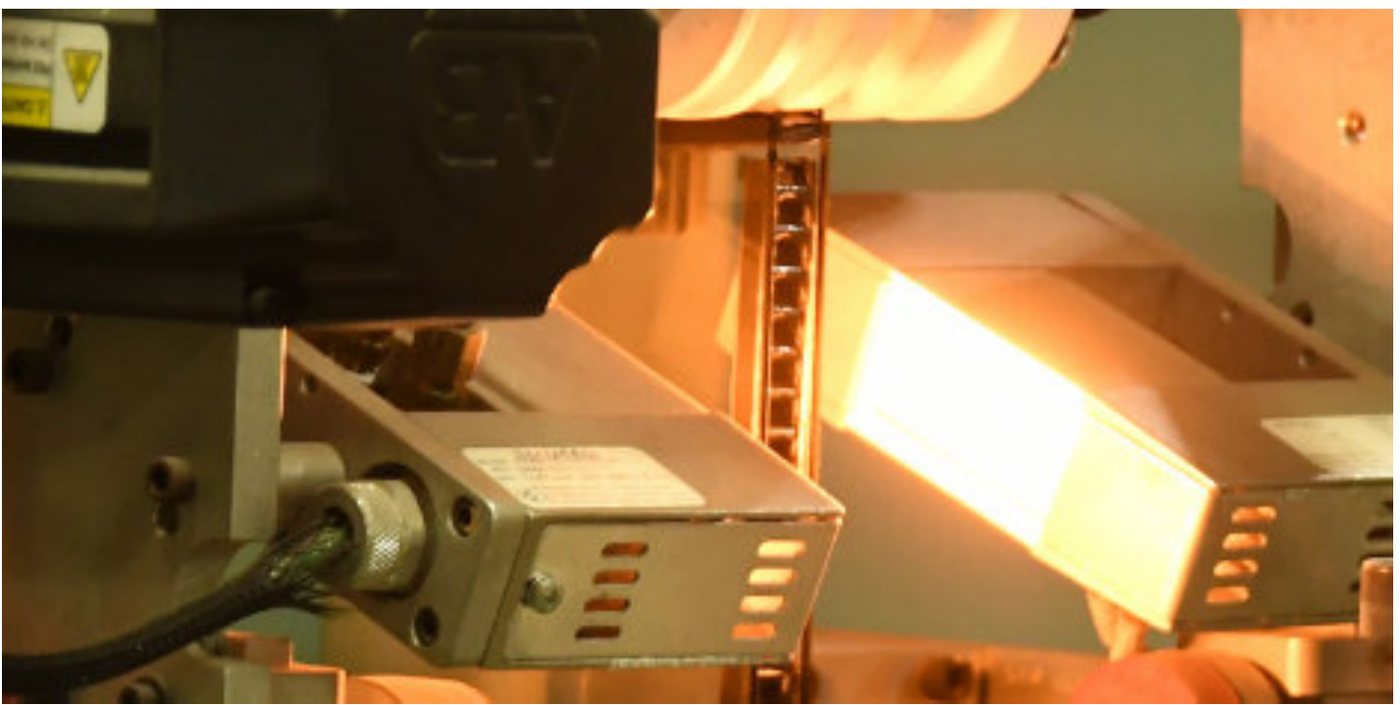
The spacer is where fogging starts.
Insulated glass is two panes with a sealed airspace between them, filled with argon and held apart by a spacer around the edge. The Low-E coating and the argon do the energy work. The spacer and its seal decide how long that work lasts.
An aluminum spacer conducts cold to the edge of the glass, which is why old windows sweat along the bottom. A warm-edge composite spacer does not. Better still is a spacer applied in one continuous run, with the corners formed as bends and a single joint. Most seal failures start at a corner joint. Fewer joints, fewer places to fail, better argon retention.
Ask who made the glass. A window maker that builds its own insulated units is testing them. One that buys them is trusting somebody else's test.
Look at the edge of the glass through the pane. Is the spacer metal or a dark composite? Count the corner joints. Ask whether the Low-E is on the glass and which surface.
Ask for the AAMA number, not the adjective.
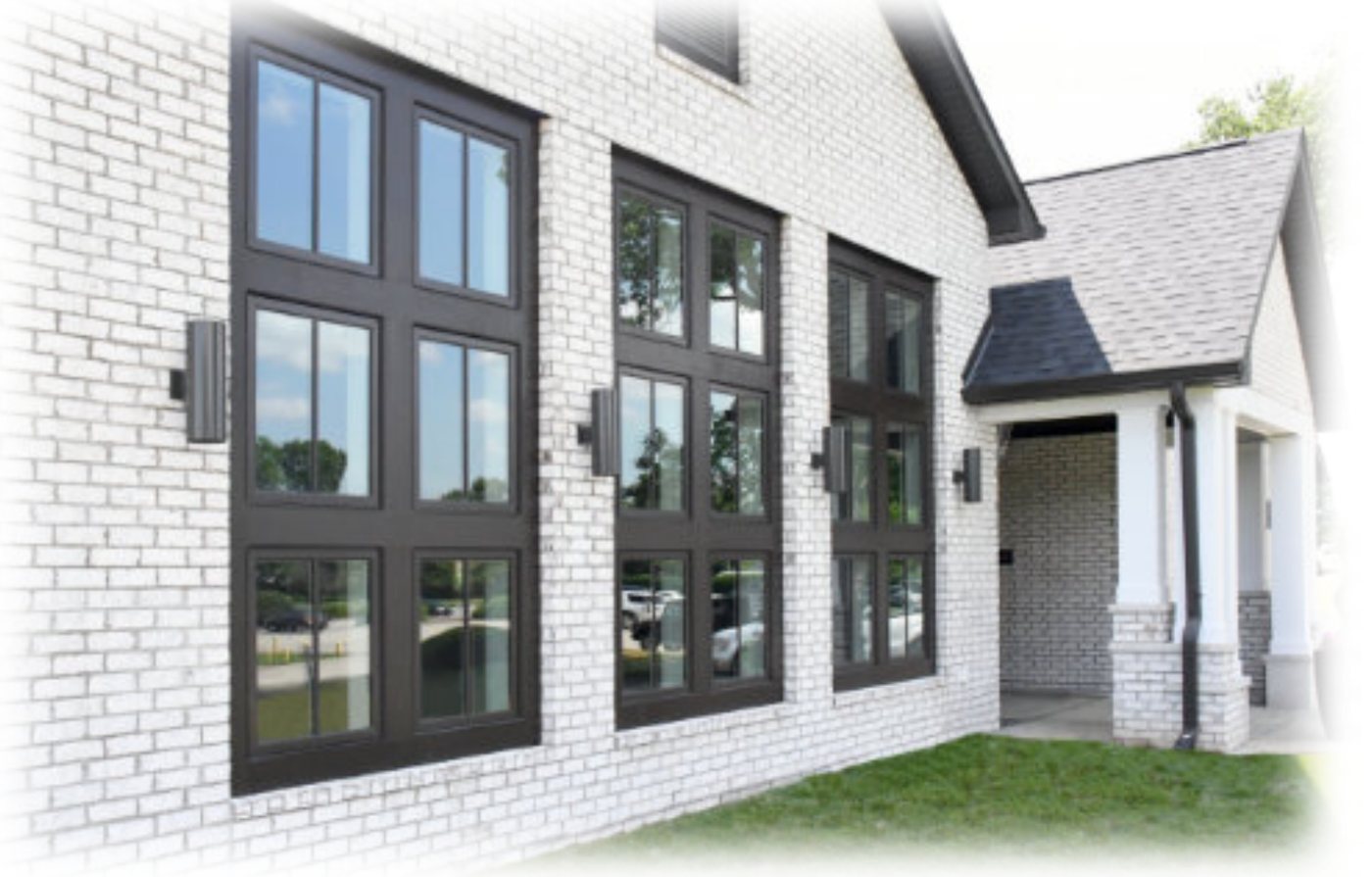
Everybody says durable. The finish standards for coated aluminum are AAMA 2603, 2604, and 2605, and they are tested for chalking, fading, and adhesion under real weather. 2603 is light duty. 2604 is the high-performance grade and comes with a 20-year finish warranty from makers who meet it. 2605 is the commercial curtain-wall grade, and the makers who offer it back it for 30 years.
Powder coat is a thick, baked-on finish. Wet paint is thinner and chalks sooner, especially in dark colors, which is exactly what everyone is ordering right now. And when the frame is extruded aluminum and the sash is roll-form or paint, they weather at different rates. Five years in, the frame and the sash are two colors.
Ask which AAMA standard the finish meets and how many years the finish warranty runs against fading. Then ask whether the sash and frame are the same material. If the answer is a brochure word instead of a number, you have your answer.
The parts that move are the parts that wear.
Locks, balances, hinges, and operators are what the homeowner touches every day and what fails first on a builder-grade window. Multi-point casement locks, block-and-tackle or hybrid balances on double hungs, and metal operators cost more than plastic and last longer than the mortgage.
The other half of hardware is parts. In year twelve a balance breaks. Can you get one? A regional maker that has been building the same lines for decades keeps parts. A line that changes names every model year does not.
Work the lock and the sash. Ask what the balance or operator is made of, where the company is, how long they have made this line, and how a homeowner orders a part in ten years.
This is the checklist.
| Feature | What a lasting window has | What to ask |
|---|---|---|
| Cladding | Extruded aluminum, .045 to .060 inch, sash and frame | Extruded or roll-form? How thick? |
| Water | A weep path out of the glazing channel | Where does water go when the glazing seal ages? |
| Glass | Warm-edge spacer, single corner joint, argon, Low-E, maker-built | Who made the glass unit? What spacer? |
| Finish | Powder coat to AAMA 2604 or 2605, same material on sash and frame | Which AAMA standard? How many years against fading? |
| Hardware | Metal operators, multi-point locks, parts available for decades | How do I get a balance in ten years? |
Midway keeps corner samples of every line we sell on the showroom floor. Bring this list. We would rather you check than take our word for it.
Before You Price a Window
Know what you are buying.
Three short reads. Ten minutes total. Written for the builder who has to answer to the money, and for the money.
Frequently Asked
Window construction, answered.
What is the difference between extruded aluminum and roll-form aluminum cladding on a window?
Why do double-pane windows fog up between the panes?
What is a warm-edge spacer?
What does AAMA 2604 or AAMA 2605 mean on a window finish?
How can I tell a good window from a cheap one in the showroom?
Visit the Showroom
See it set up, in person.
Browse the displays and talk it through with our team, face to face.
119 Cumberland St, Ashland City. Y’all come by.