
The second door
is the expensive one.
An entry door is priced by the opening and paid for by the year. The bid shows what the first door costs. This page is about what a door costs per year it keeps the weather out and the house looking kept, and it is written for the person funding the build as much as the person building it.
Three costs that never make the spreadsheet.
The upkeep. A wood door in the weather gets refinished every few years, all six sides. A steel door gets touched up where it dents, and the first year it does not get touched up is the year the bottom rail starts to rust. A fiberglass door gets washed. None of that is on the bid, and over twenty years it is not small.
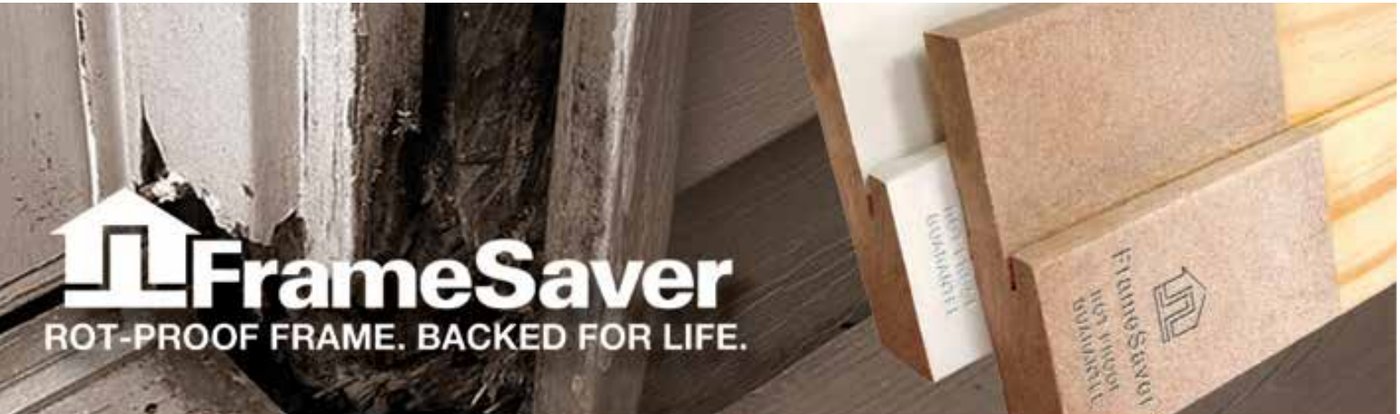
The tear-out. A door does not fail alone. Steel that rusts at the bottom rail, wood that warps past the weatherstrip, and above all a pine frame that rots because the sill pan was skipped: each one ends the same way, with the whole prehung unit out of the wall, the subfloor checked, and a new unit in. On a house you hold long enough, that is a second door at a later year's prices, with trim, paint, and a carpenter, while the house is occupied.
The callback and the resale. For a builder, a front door that sticks, leaks at the corner, or rusts in year two is a callback with your name on it. For an owner, the front door is the first thing a buyer touches and the first thing an inspector writes up. Neither one is a line on the bid, and both are real money.
The question is not which door is cheaper. It is what each door costs per year it does its job.
Bring two quotes. We do not put prices on the site.
Get an installed quote per door for the door you are being told to buy and one for the door you would rather hang. Enter how many exterior doors the house has, both quotes, and how long you expect to own the house. Then enter the service life you believe for each door and what its upkeep costs in an average year: refinishing labor spread across the years between coats on wood, touch-up on steel, near nothing on fiberglass. The questions below give the ranges the makers publish.
The calculator charges upkeep every year, counts a replacement whenever a door's life runs out inside your hold, and credits the unused life of whichever door is still good when you sell. The result is what each choice costs over the hold, for all the doors, and per door per year of service.
It does not know which doors you are comparing. It only knows arithmetic.
Numbers to start from, not to stop at.
Fiberglass: Therma-Tru, Masonite, and Steves all warrant their fiberglass slabs for the original owner's lifetime, and Therma-Tru's catalog says the skin will not dent, rust, warp, split, crack, or rot. The wear items around it are replaceable.
Steel: Masonite warrants Sta-Tru steel for 20 years; Therma-Tru warrants Profiles for 10 and Traditions for 5; Steves warrants its steel line for 10. Every one of those warranties tells you to finish the door within days of hanging it, which tells you what steel is afraid of.
Wood: Steves warrants its exterior wood doors for one year and prints an overhang rule in the warranty: the porch roof should reach out at least half the height of the door, and in hot or wet exposure up to twice the height. That rule is the honest service life of a wood door in one sentence.
Cost Over Time
Two doors, one house, your numbers.
Nothing you type here is sent anywhere. It runs in your browser.
Before You Price a Door
Know what you are hanging.
Three short reads on entry doors: fiberglass, steel, and wood. Written for the builder who has to answer to the money, and for the money.
Frequently Asked
Door cost over time, answered.
How long does an exterior door last?
Why do door frames rot, and what does it cost?
What does it cost to keep up a wood entry door?
Is a fiberglass door worth it on a house I am going to sell?
Stop By the Desk
Let’s talk it through in person.
Bring your plans or just your questions. We’ll get you squared away.
119 Cumberland St, Ashland City. The coffee’s on.