Code-compliant R-values stocked.
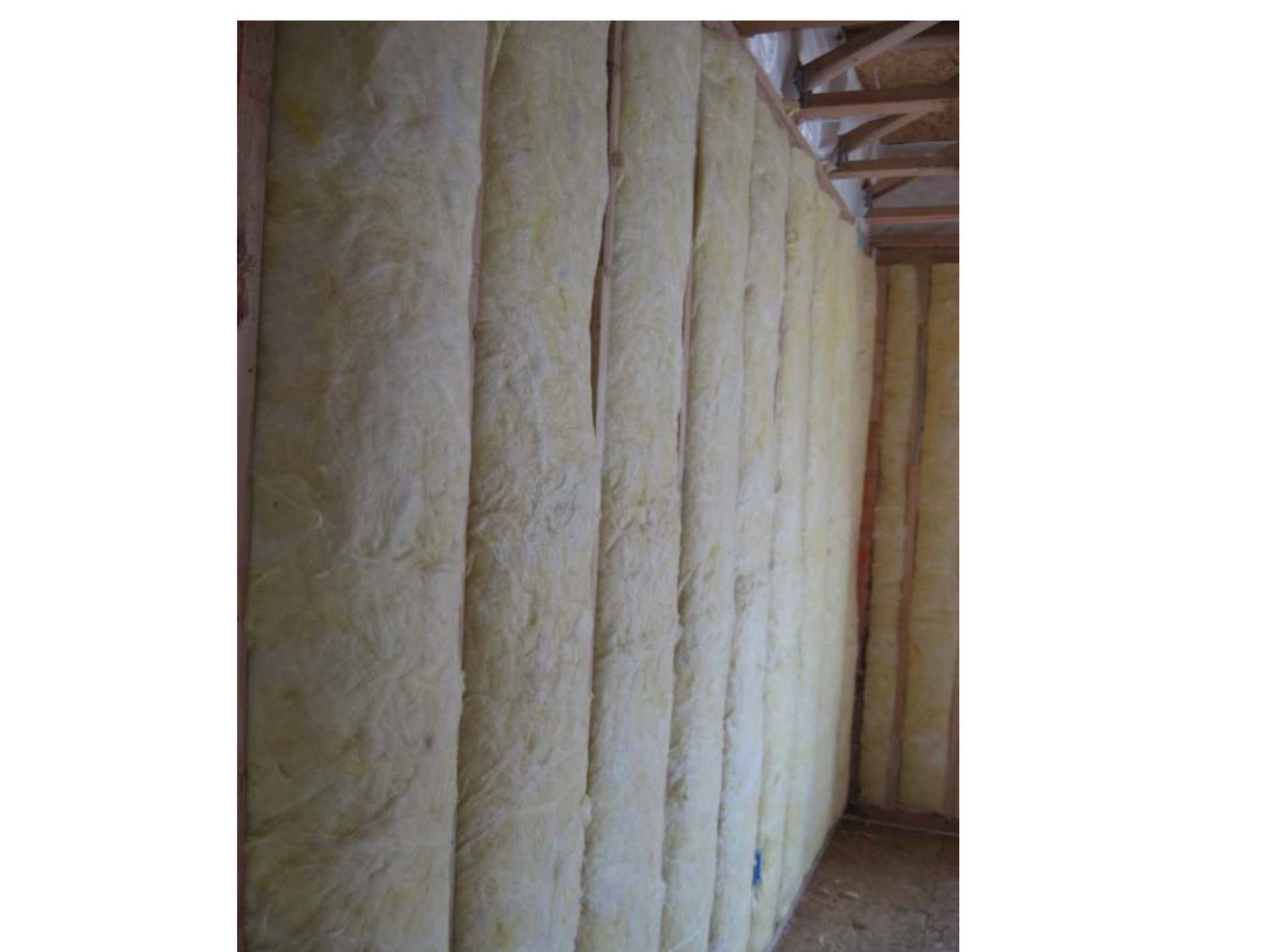
Faced and unfaced fiberglass batts in R-13, R-15, R-19, R-21, R-25, R-30, and R-38. 16″ and 24″ on-center widths. The Tennessee energy code table is on our counter; we spec to it.
 Sign In / Register
Fiberglass batts and rolls in R-13 through R-38, mineral wool, foam board, and blow-in insulation for Middle Tennessee builders, insulators, and homeowners. Code-compliant, stocked deep, delivered on Midway flatbeds.
Before You Price Insulation
Three short reads on insulation and drywall. Written for the builder who has to answer to the money, and for the money.
Why Midway for Insulation
Faced and unfaced fiberglass batts in R-13, R-15, R-19, R-21, R-25, R-30, and R-38. 16″ and 24″ on-center widths. The Tennessee energy code table is on our counter; we spec to it.
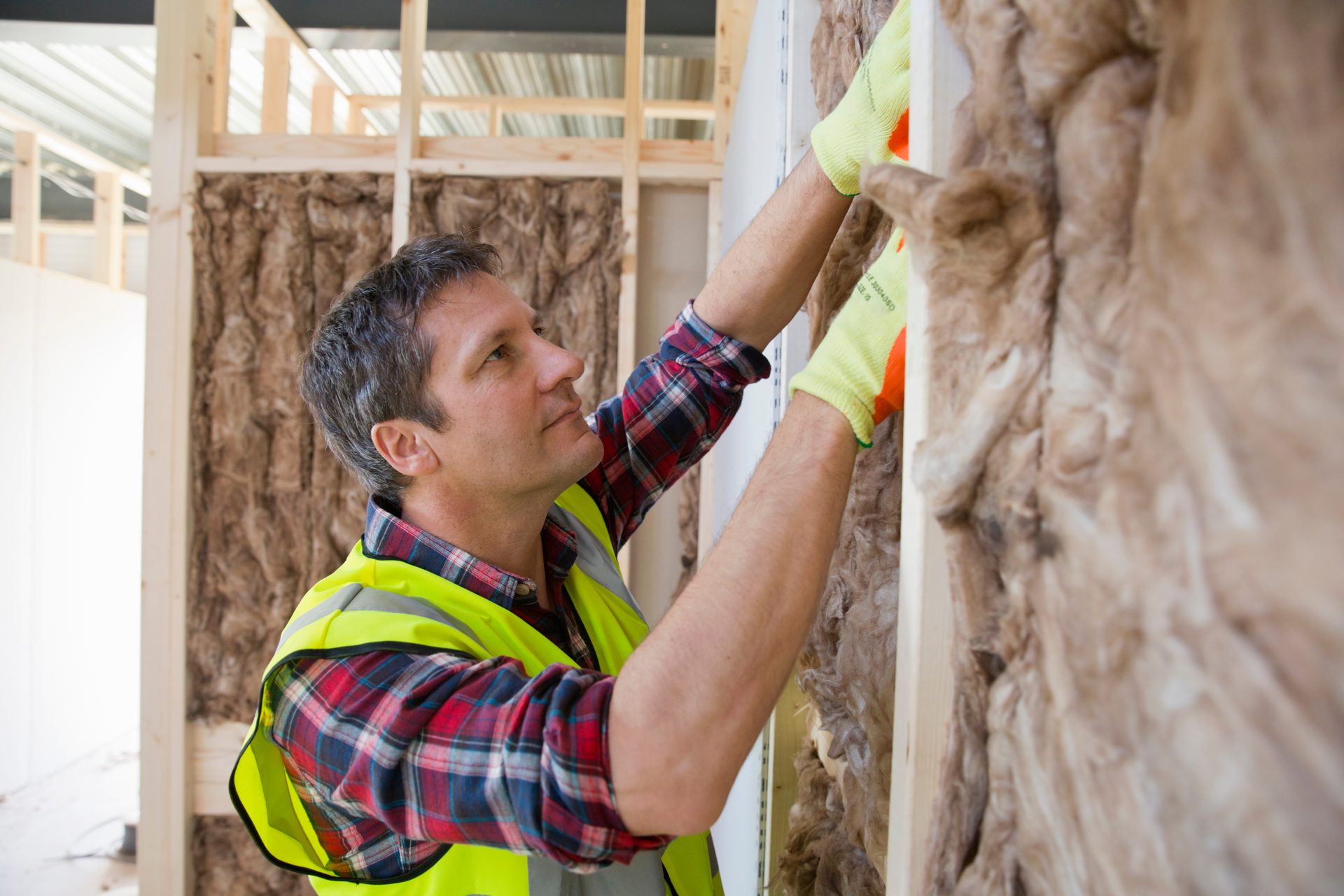
We help you pick the right insulation for the assembly: wall cavity, ceiling, attic floor, crawlspace, or continuous sheathing. Acoustic-rated mineral wool and rigid foam available.
Insulation delivered with the rest of the build package on Midway flatbeds. Bundles set on the deck or staged for the insulation crew.
What We Carry
Faced and unfaced batts in R-13, R-15, R-19, R-21, R-25, R-30, R-38. 16″ and 24″ on-center widths.
Continuous rolls for attic and ceiling applications. Faster install on long runs than cut batts.
Higher-density acoustic and fire-rated insulation. Common spec for sound walls and party walls.
Rigid foam board for foundations, sheathing, and continuous-insulation assemblies. EPS, XPS, and polyiso.
Loose-fill fiberglass and cellulose for attics. We sell the bags; we refer the install crew.
Closed-cell and open-cell spray foam, sold through specialty applicator partners. We coordinate the order.
Polyethylene sheeting, kraft-faced barriers, and house wrap for assemblies that need vapor control.
Reinforced poly liner for crawlspace encapsulation. Vapor barrier and durability rated.
Why Mineral Wool and a Grade I Install Are the Quiet, Warm Wall
Every item on the "what you are paying for" checklist, and what each line Midway sells does about it, from the makers' own published literature. Fiberglass is the right call in most walls; mineral wool and a graded install are the upgrade where fire, sound, and the power bill meet. Read the checklist first: What you are paying for →
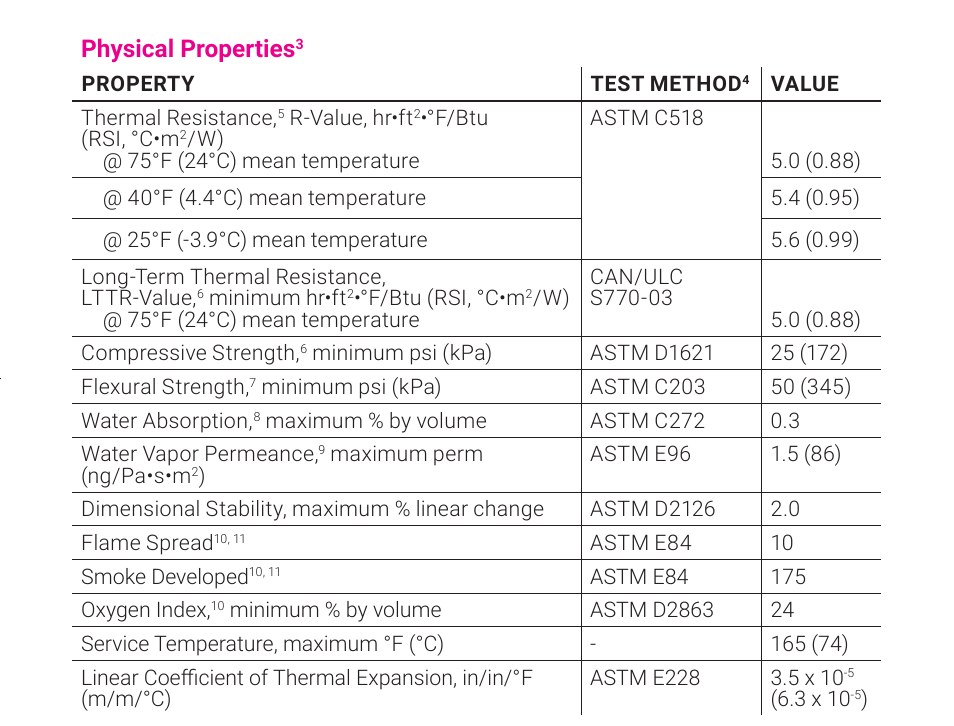
| Checklist item | ROCKWOOL mineral wool | Owens Corning, Johns Manville, CertainTeed fiberglass | Owens Corning FOAMULAR foam board | Spray foam (through our applicator partners) |
|---|---|---|---|---|
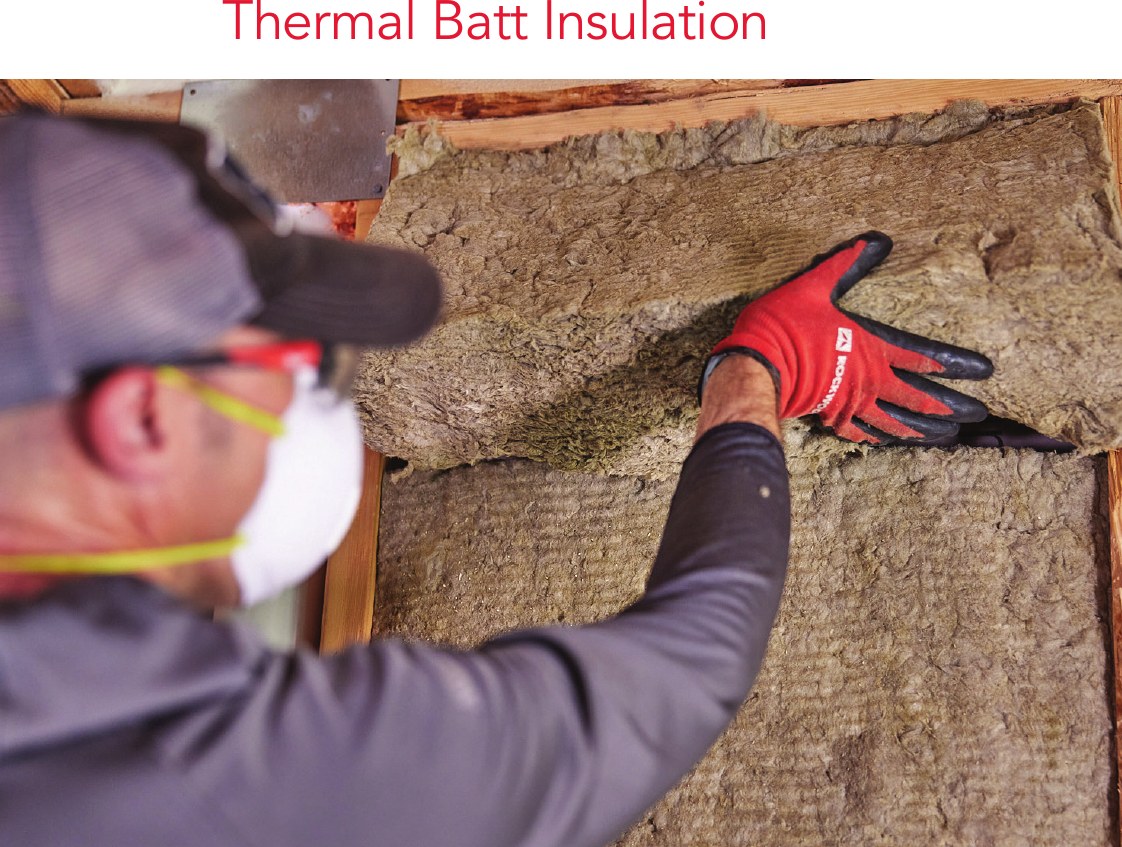
| R-value | R-15 at 3-1/2 inches, R-23 at 5-1/2, R-30 at 7-1/4, R-38 at 9-1/2; 4.0 per inch in the code report. | R-11 through R-49 batts and rolls; R-13 and R-15 at 3-1/2 inches, R-21 and R-23 at 5-1/2. Loose fill by the bag chart: R-38 at 13-1/4 inches, R-49 at 16-3/4. | R-5.0 per inch at 75 degrees; 3/4 inch through 4 inches. | Per the applicator's data sheet for the product sprayed; ask for it. |
| Install | Cut a quarter inch proud so it springs against the studs; holds its shape around boxes; the easy Grade I. | Grade I takes care: split around wires, cut around boxes, no folding. R-19 in a 5-1/2 inch cavity delivers R-18 by the maker's own footnote. | Cut to fit rim bays and foundation walls; not structural; cover within 60 days. | Fills the odd bays and the rim in one pass; needs a 1/2-inch gypsum thermal barrier to the room (IRC R316.4). |
| Fire | 0 flame, 0 smoke on ASTM E84; noncombustible on E136. Can be left exposed where code allows. | Unfaced under 25/50 and noncombustible; Kraft and foil facings burn and must be covered. | 10 flame, 175 smoke; always behind drywall. | Behind the thermal barrier, always. |
| Sound | Safe'n'Sound NRC 1.10 at 3 inches, 1.25 at 6; 2.5 pounds a cubic foot. | Sound batts available; lighter than stone wool. | Not a sound product. | Ask the applicator for tested values. |
| Moisture | 0.05 percent vapor sorption; 42 perms; passes the fungus test. Not a vapor retarder. | Under 5 percent sorption; Kraft facing 1.0 perm, foil 0.5, JM film 0.5 or perforated 10. | 0.3 percent water absorption; 1.5 perm at 1 inch; goes below grade. | Ask the applicator for the perm rating of the product sprayed. |
| Where it earns it | Garage walls, party walls, bedroom and bath partitions, mechanical rooms, any wall that has to be quiet or slow a fire. | Exterior walls, floors, and attics on nearly every house we supply. | Rim joists, foundation and crawlspace walls, under slabs, and as the R-5 continuous layer on the R-13 plus 5 wall path. | Unvented attics, rim joists, and walls too cut up to batt. |
| On the yard | Comfortbatt and Safe'n'Sound stocked in the common widths. | Stocked deep in R-13 through R-38; loose fill by the pallet. | FOAMULAR in the common thicknesses; other boards on request. | Coordinated on the same order with the rest of the package. |
Insulation Brands
PINK Next Gen batts and rolls R-11 through R-49, and ProPink loose fill for attics. The fiberglass we sell most.
Fiberglass · Batts, rolls, loose fillComfortTherm poly-wrapped batts with less itch and dust on the install, plus Spider blow-in.
Fiberglass · Poly-wrapped battsFiberglass batts and rolls. Consistent stock when a job needs a lot of one size.
Fiberglass · Batts and rollsMineral-wool batts for acoustic, fire-rated, and ground-contact applications.
Mineral Wool · SpecialtyXPS rigid foam board for foundations and continuous insulation.
Foam · XPSKnauf, Kingspan, Dow, and specialty manufacturers on request.
Ask UsHow an Order Works
Wall area, ceiling area, R-value targets. Or plans, and we calculate.
R-values, batt width, faced/unfaced, and accessories, coordinated.
Itemized quote with current factory lead times. Approve and we order.
Insulation bundles staged where the install crew wants them.
Frequently Asked
Request an Insulation Quote
An estimator will follow up, usually same day.
Related Categories
Come See It
Specs only tell you so much. Come walk the yard and the showroom.
119 Cumberland St, Ashland City. The coffee’s on.