
The power bill
is the expensive one.
Insulation is priced by the square foot on one day and paid for by the month for as long as the house stands. The bid shows the first number. This page is about the second one, and it is written for the person paying the utility bill as much as the person hanging the batts. It uses your numbers, not ours.
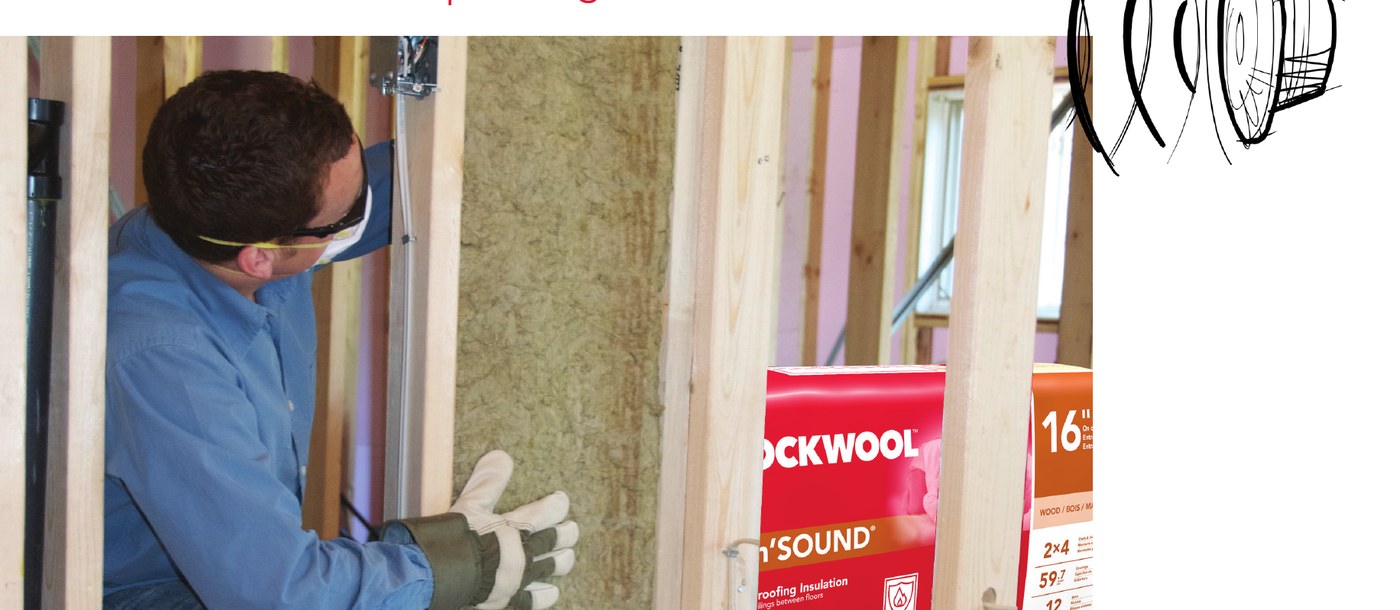
Three things the insulation line never shows.
The bill. Heating and cooling is the biggest line on most Tennessee power bills, and the envelope is what sets it. A wall at the state floor and a wall at the model code both pass; they do not run the furnace the same number of hours. That difference lands in the mailbox every month, for the life of the house, and it is not on the bid.
The install. A Grade I install and a stuffed-and-closed install can use the identical bag. Owens Corning's own footnote says a 6-1/4 inch R-19 batt is an R-18 in a 5-1/2 inch cavity; a rater will tell you a compressed, gapped batt is worth a good deal less than that. The bid shows the bag. It does not show what the bag was worth after the crew left, unless someone graded it.
The second chance that never comes. Siding gets redone. Roofs get replaced. The wall insulation is behind drywall from the day the house is finished, and the only way back to it is a remodel. Whatever went into the cavity is what the house has. The attic is the exception, and the loose-fill chart on the bag prices the top-up in bags per thousand square feet, which is why the ceiling is the easiest place in the house to go past code.
The question is not which package is cheaper on the bid. It is which one costs less once the bill is in the math.
Bring two quotes and one bill. We do not put prices on the site.
Get two installed quotes for the insulation package on your house: the one you are being told to buy, and the one you would rather have (say, a model-code wall with an R-49 attic, mineral wool partitions, a sealed rim joist, and a blower door test). Enter both totals. Enter what you expect to spend on heating and cooling in a year; on an existing house that is on the bill, on a new house the rater can estimate it. Enter how long you expect to own the house.
Then the number we will not make up for you: the percent less energy the better package uses. Get it from an energy model of your house. A HERS rater, a Manual J load calculation, or a REScheck comparison run both packages and report the difference. Enter that percent. If you do not have it yet, leave it blank and the calculator will tell you the percent that would make the two packages even over your hold, which is a good question to bring to the rater.
The calculator charges the bill every year of the hold, credits the better package its saving every year, and shows what each package costs in total over the hold, the simple payback in years, and the break-even percent. It does not know which materials you are comparing. It only knows arithmetic, and it does not escalate the utility rate; if you believe rates go up, the real answer is better than the one shown.
Facts to start from, not to stop at.
Fiberglass: Owens Corning says its batts will not settle or slump in a wall cavity; the R-value on the bag holds for the life of the wall if the install does. Loose fill in an attic is priced by the bag and the chart on the bag says how many for each R.
Mineral wool: ROCKWOOL publishes 0/0 on the fire test and NRC 1.25 on the sound test for the 6-inch interior batt. Those are not on the power bill; they are on the quiet and on the fire.
Foam board: Owens Corning's limited lifetime warranty on FOAMULAR maintains 90 percent of its R-value, and the sheet publishes 0.3 percent water absorption, which is what lets it work below grade and at the rim joist for the life of the foundation.
Drywall: USG and Gold Bond both publish 5/8 Type X at about 2.2 pounds a square foot to ASTM C1396. On the garage ceiling it is the code. Elsewhere it is a stiffer, quieter ceiling for a few cents more a foot.
None of them publishes an energy savings number for your house, and neither do we. The rater does.
Cost Over Time
Two packages, one house, your bill.
Nothing you type here is sent anywhere. It runs in your browser.
Before You Price Insulation
Know what is in the wall.
Three short reads on insulation and drywall. Written for the builder who has to answer to the money, and for the money.
Frequently Asked
Insulation cost over time, answered.
How much will better insulation save on my power bill?
Why does insulation pay back differently than other upgrades?
What does the drywall have to do with the power bill?
Is it worth insulating past what the code requires?
Stop By the Desk
Let’s talk it through in person.
Bring your plans or just your questions. We’ll get you squared away.
119 Cumberland St, Ashland City. The coffee’s on.