
Sign In / Register
Lesson 1 of 3

Investors buy houses,
not windows.

Every lesson on this site prices one material over its life. This page adds them up. A house is bid once and paid for by the year, and the person funding the build decides at the scale of the house: the number on the bid, the number at the sale, and the years in between. Put every upgraded line in, and read the two numbers that come out.
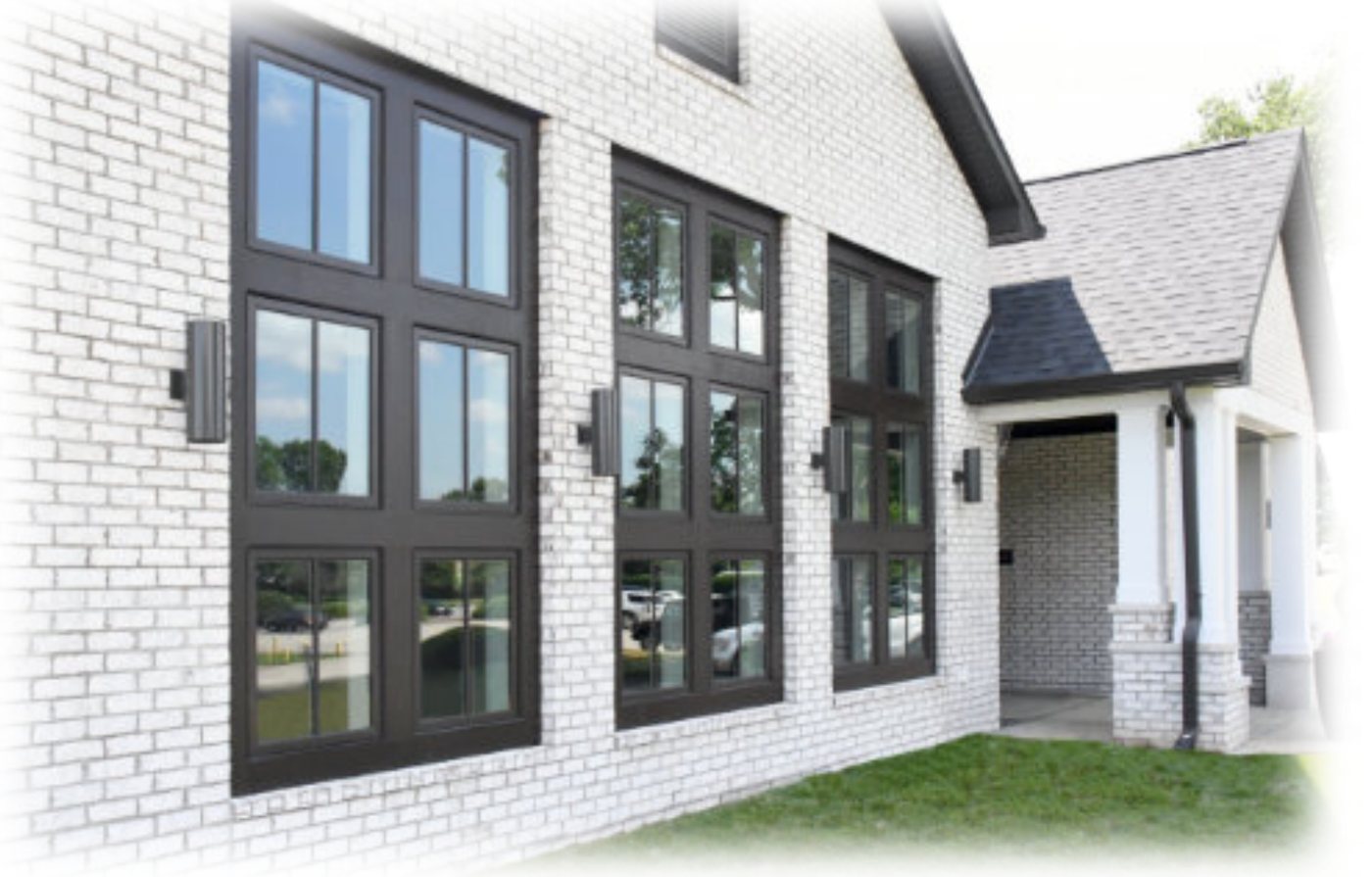
A brick house with black clad windows, the kind of exterior that is priced once and looked at for decades
What the street sees for thirty years was decided in an afternoon at a bid table. The lines that are hardest to reach later (windows, roof, siding, the frame, what is in the wall) are the ones where the second job costs the most.
The math the bid leaves out

Three days the cheaper house pays for.

The callback years. Years one to three belong to the builder. Fogged glass, a swollen door, a squeaky floor, siding that buckles at the first summer: each is a trip, a tradesman, and material, at a time when the crew is supposed to be on the next house. The investor does not write that check, but the project does, and so does the schedule. A spec that saved a few thousand on the bid can hand it back in the first eighteen months without a single line on any spreadsheet.

The second job. Years eight to twenty belong to whoever owns the house then. If it is still the investor, a failed glass seal, rotted bottom courses, and a roof that comes off at year twenty are theirs, done with the house occupied and at that year's prices. If the house has sold, those years belong to the buyer, and the buyer's inspector knows it.

The closing statement. The appraisal does not pay you for better windows. The inspection charges you for worse ones. A report that says fogged units, soft trim at grade, or a roof with five years left becomes a repair credit or a price cut, and it lands on the one day the investor was counting on. Better material does not raise the sale price much. It keeps the sale price from falling.

Add the three days up and the question is not which house was cheaper to build. It is which house cost less per year it stood.
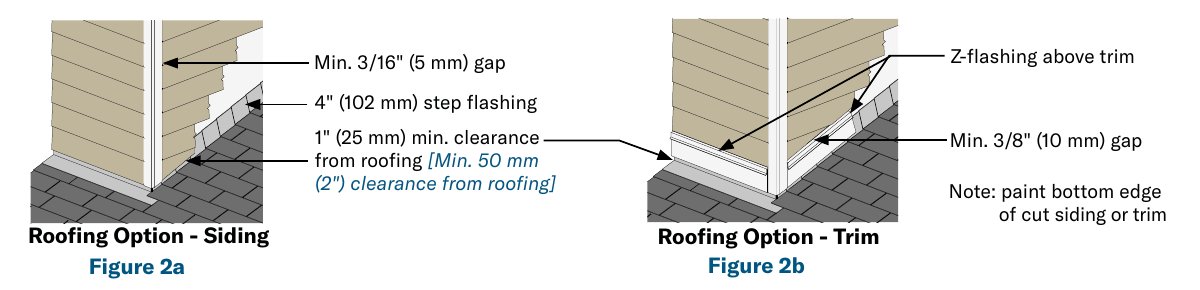
Maker's drawings of siding meeting a roof with step flashing and Z-flashing, the details that decide whether a wall lasts
Where houses fail is drawn in every maker's instructions, because the warranty does not cover it. The cheaper spec and the rushed detail usually arrive on the same truck.
Where cheaper is right

We sell every tier. Some of them belong on your house.

On a short hold, a house sold within a year or two to a buyer who does not look hard, nothing fails on your watch and the cheap window is just the cheap window. On lines the next owner replaces on day one anyway (builder-grade faucets, carpet in a rental) the upgrade money buys nothing. On a house that is being built to sell to another investor, the market may not pay for a spec it cannot see.

On a house you are keeping, on a house going to a family who will get it inspected, and on the lines that are expensive to reach later, the better spec usually wins by year ten and often by year five. Windows, the roof, siding, exterior doors, the frame, and what is in the wall are the lines to run first. Cabinets and decks are next. Paint and hardware are cheap to do over and rarely decide the house.

The calculator does not know which house you are building. That is the point. Put your own hold, your own quotes, and your own callback history in, and let it tell you which house you are looking at.

The Cost of the House

Every upgraded line, one number.

Fill in only the lines where the two bids differ. Leave the rest blank. Nothing you type here is sent anywhere; it runs in your browser, prints, and can carry its totals to the investor letter.

The lines

Installed cost for the whole house on each line, from your two bids. Service life is the number you would defend to a buyer; each material's lesson gives the terms the makers publish. Upkeep is what that line asks for in an average year (a repaint spread over the years between coats, a sealing schedule, nothing on vinyl).

Line Cheaper bid, installed Better bid, installed Life, cheaper (yrs) Life, better (yrs) Upkeep / yr, cheaper Upkeep / yr, better Over the hold
Windows
Roof
Siding
Exterior doors
Deck
Insulation
Cabinets
Other
All lines

The house

Callbacks

The cost of money is charged as simple interest on the extra bid money for the whole hold. Callbacks are the builder's number, from the builder's own books; if you have never counted them, count the last three houses.

Over 10 years

Difference on the bid
Upkeep, difference over the hold
Replacements inside the hold, cheaper spec
Replacements inside the hold, better spec
Callbacks, difference
Cost of the extra money
Difference over the hold
Per year of the hold

Fill in at least one line, both bids and both lives, to see the house.

Over the hold = first cost, plus upkeep every year, plus each replacement whose life runs out inside your hold (priced at today's installed quote, tear-off not included, which is kind to the cheaper spec), minus the life left in the last one when you sell, plus callbacks and the cost of the extra money.

Before You Price the House

Know what the house costs, not what the window costs.

Three short reads for the builder who has to answer to the money, and for the money. The whole-house math, how to read a bid, and a letter you can hand to your investor.

Frequently Asked

The cost of the house, answered.

Why should an investor care about a builder's material choices?
Because the investor owns the house after the builder is gone, or sells it to someone who will. The cheaper spec saves money on one day, the day the bid is signed. It costs money on the other days: the callback in year two that comes out of the project, the failed seal or rotted bottom course in year ten, and the inspection report at resale that turns into a repair credit. A material is not cheap or expensive. It is cheap or expensive per year it does its job, and the investor is the one paying for the years.
How do I compare two bids for a house, not just for one material?
Line by line, then add it up. For each line where the bids differ, put down the installed cost of the cheaper choice and the better one, the service life you believe for each, and the upkeep each one asks for in a year. Add the years you will hold the house. The calculator on this page charges upkeep every year, counts a replacement whenever a line's life runs out inside your hold, credits the life left in whatever is still good when you sell, and adds the callbacks and the cost of the extra money. What comes out is the difference on the bid and the difference over the hold. Those are two different numbers, and the second one is the one that matters.
When is the cheaper material actually the right call?
More often than a supplier likes to admit. On a short hold where nothing fails on your watch and the buyer does not inspect closely, the cheap window is the cheap window. On lines the next owner will replace anyway (a builder-grade faucet, carpet in a rental) the upgrade money is wasted. On a house you are keeping, on lines that are expensive to reach later (windows, roof, siding, the frame, what is in the wall), the better spec usually pays. Put your own numbers in and let the arithmetic say which one you are looking at.
What does a callback cost a builder?
A trip, a tradesman for half a day or a whole one, the material, and sometimes a dumpster, all at a time when the crew is supposed to be on the next house. Builders who track it put a typical callback in the hundreds of dollars and a bad one in the thousands, and the number is yours to enter, not ours. The calculator asks how many you expect on each spec over the hold and what one costs you. The cheaper spec does not always mean more callbacks, but when it does, they land in the first three years, on the builder's dime and the investor's schedule.
Does the calculator use Midway prices?
No. There are no prices on this site. Every number comes from you: two installed quotes per line, service lives you would defend to a buyer, upkeep you would actually do, callbacks you expect, and the rate you pay for money. Nothing is sent anywhere. It runs in your browser, it prints, and it can carry its totals to the investor letter on the next page.

Stop By the Desk

Let’s talk it through in person.

Bring your plans or just your questions. We’ll get you squared away.
119 Cumberland St, Ashland City. The coffee’s on.

Call Directions Contact